
Understanding Recent Tariff Developments and Their Impact on International Trade
The North American business landscape is experiencing significant disruption due to recent changes in tariff policies between the United States, Canada, and Mexico. As international trade consultants, we’re closely monitoring these developments and their implications for businesses operating across these borders. This article examines the current situation, potential impacts, and strategies for businesses to navigate this challenging environment.
The Changing Tariff Environment
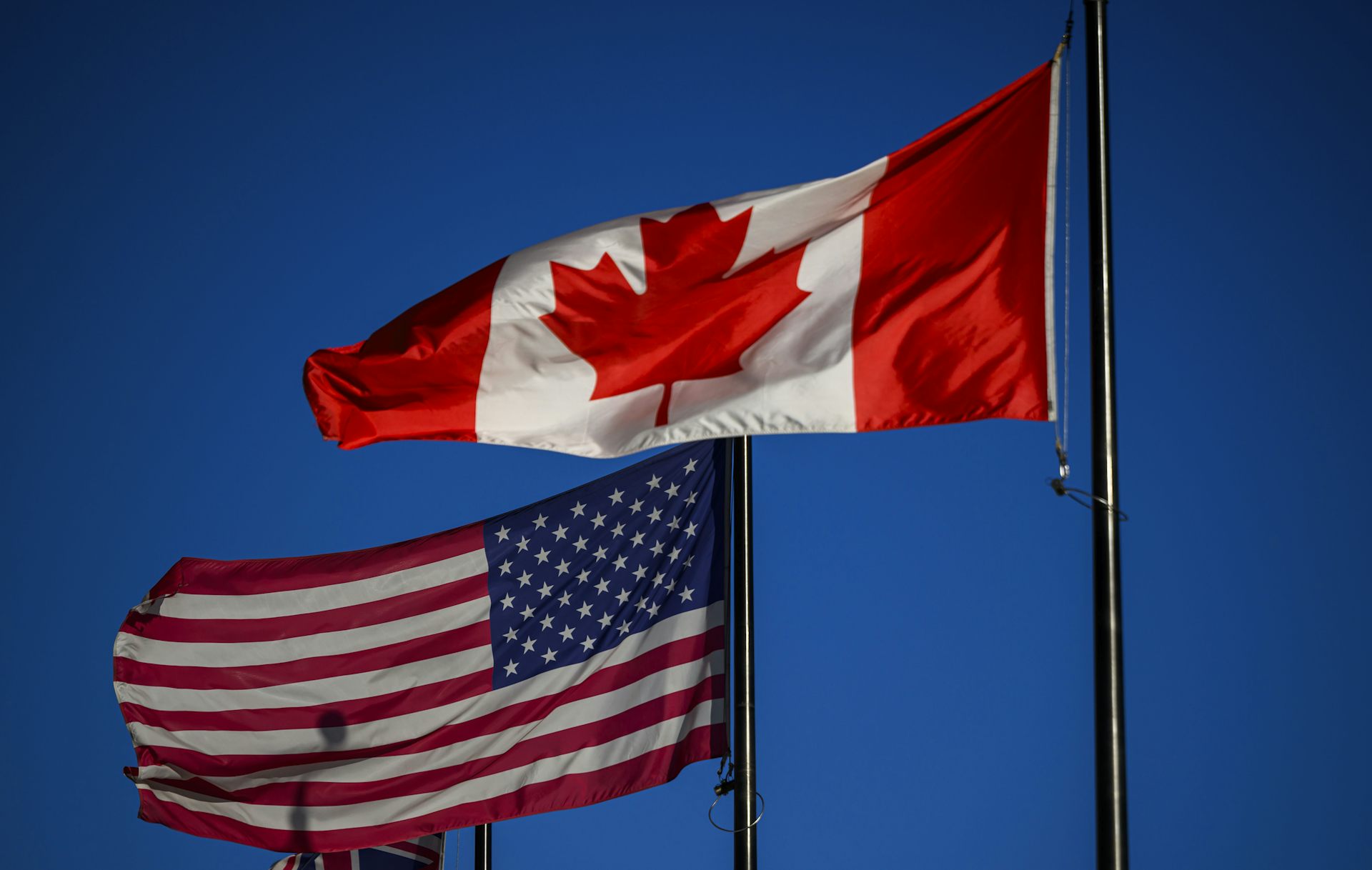
The United States has recently implemented new tariff measures affecting trade with its closest neighbors and largest trading partners—Canada and Mexico. These measures represent a significant shift in regional trade dynamics that had been largely governed by preferential trade agreements for decades.
Key Points to Understand:
- Policy Shift: The implementation of new tariffs signals a departure from the free trade principles that have guided North American commerce in recent years.
- Affected Industries: Several sectors are particularly vulnerable, including automotive, agriculture, manufacturing, and energy—industries with deeply integrated supply chains across the three countries.
- Reciprocal Measures: Both Canada and Mexico have announced retaliatory tariffs on U.S. goods, creating a complex web of trade barriers that businesses must navigate.
Understanding Specific Tariff Mechanisms
While the general concept of tariffs is straightforward, the specific mechanisms through which they are applied can vary significantly, each carrying distinct implications for businesses. In the context of North American trade, understanding these specific measures is crucial for effective strategy development:
- Section 232 Tariffs: These tariffs are imposed under the Trade Expansion Act of 1962, allowing the U.S. President to impose tariffs on imports deemed a threat to national security. Historically, these have impacted steel and aluminum, affecting numerous downstream industries across North America.
- Section 301 Tariffs: Imposed under the Trade Act of 1974, these target unfair trade practices by other countries. While often associated with U.S.-China trade, their ripple effects can influence global supply chains and sourcing decisions for North American businesses.
- Anti-Dumping and Countervailing Duties (AD/CVD): These are specific duties levied on imported goods that are priced below fair market value (dumping) or that benefit from unfair government subsidies (countervailing). Businesses must be vigilant about potential AD/CVD investigations, as they can significantly increase import costs for specific products.
Each of these mechanisms requires a tailored approach to analysis and mitigation, underscoring the complexity of navigating modern trade policy.
Business Implications
These tariff changes have far-reaching consequences for companies engaged in cross-border trade in North America:
Supply Chain Disruption
North American supply chains have become highly integrated over decades of free trade. Many products cross borders multiple times during production. New tariffs disrupt this efficiency, potentially increasing costs at multiple points in the supply chain. Businesses are now reassessing their supplier networks and manufacturing locations to mitigate these impacts.
Cost Implications
The immediate effect of tariffs is increased costs for imported goods. For businesses, this presents difficult decisions about whether to absorb these costs or pass them on to customers. Either approach impacts competitiveness and profitability. Companies are conducting comprehensive cost analyses to understand the full financial impact across their product lines.
Market Access Challenges
Beyond direct costs, tariffs can complicate market access. Administrative burdens, customs delays, and regulatory compliance requirements all increase when moving from a free trade to a managed trade environment. These non-tariff barriers often prove as challenging as the tariffs themselves, particularly for smaller businesses with limited resources.
Strategic Responses for Businesses
Companies operating in this new trade environment need to develop strategic responses that maintain competitiveness while adapting to policy changes:
Conduct Tariff Impact Analysis
Understanding the specific impact of tariffs on your business is the first crucial step. This involves:
- Analyzing your supply chain to identify components affected by tariffs
- Calculating the cost implications across your product portfolio
- Assessing competitive implications in each market you serve
Explore Tariff Mitigation Strategies
Several approaches can help mitigate tariff impacts:
- Tariff Engineering: Redesigning products or reclassifying goods to qualify for lower duty rates where legally permissible
- Duty Drawback: Recovering duties paid on imported materials when they are subsequently exported as finished goods
- Foreign Trade Zones: Utilizing special economic zones where goods can be landed, stored, and processed with reduced or delayed duty payments
Diversify Supply Chains
The current situation highlights the risk of concentrated supply chains. Consider:
- Developing alternative supplier relationships in non-affected countries
- Establishing redundant manufacturing capabilities across different trade zones
- Creating more flexible logistics networks that can adapt to changing policy environments
Monitor Policy Developments
Trade policies remain fluid, with negotiations continuing between the involved countries. Maintaining up-to-date intelligence on policy developments is essential for effective planning:
- Engage with industry associations that monitor trade developments
- Establish relationships with trade consultants who specialize in North American commerce
- Develop internal capabilities to track and respond to policy changes
Navigating Tariffs within the USMCA Framework
The United States-Mexico-Canada Agreement (USMCA), which replaced NAFTA, provides a critical framework for North American trade. While new tariffs may seem to contradict the spirit of free trade agreements, understanding the interplay between these tariffs and USMCA provisions is essential for businesses.
- Rules of Origin: USMCA features stricter rules of origin, particularly for the automotive sector. Businesses must ensure their products meet these requirements to qualify for duty-free treatment under the agreement, even as external tariffs are applied.
- Dispute Resolution: The agreement includes mechanisms for dispute resolution. While tariffs can be imposed unilaterally, businesses and governments can utilize USMCA’s processes to challenge or negotiate trade barriers.
- Opportunities for Leverage: For companies that can adapt their supply chains to meet USMCA’s requirements, the agreement can offer a competitive advantage by reducing exposure to external tariffs. This might involve increasing regional content or shifting production within the USMCA bloc.
Consulting with trade experts to understand how your specific products and supply chains interact with both new tariffs and USMCA rules can unlock significant opportunities for cost savings and market access.
Looking Forward
While current tensions have created significant business challenges, several factors suggest potential paths toward resolution:
- Economic Interdependence: The deep economic integration of North America creates powerful incentives for all parties to find workable solutions.
- Business Advocacy: Industry groups across all three countries are advocating strongly for trade stability, creating pressure for policy moderation.
- Diplomatic Engagement: Diplomatic channels remain open, with ongoing discussions that may yield compromises.
Regardless of how the policy environment evolves, businesses that develop agile, resilient approaches to cross-border trade will be best positioned to thrive in this uncertain landscape.
How Inter Commerce Consulting Can Help
At Inter Commerce Consulting, we specialize in helping businesses navigate complex international trade environments. Our services include:
- Comprehensive tariff impact assessments
- Supply chain optimization and restructuring
- Market entry strategy adaptation
- Regulatory compliance assistance
- Strategic planning for uncertain policy environments
With decades of experience in North American trade, our consultants provide the expertise needed to transform trade challenges into competitive advantages.
For instance, the automotive sector, with its intricate cross-border assembly lines, faces increased costs on components, potentially impacting final vehicle prices. Agricultural producers might see fluctuating demand and pricing for exports, while manufacturing firms could experience supply chain bottlenecks for raw materials or intermediate goods. The energy sector, particularly with cross-border infrastructure, also navigates new regulatory and cost hurdles.
Navigating Customs & Compliance Complexities
Beyond direct tariffs, businesses must contend with a labyrinth of customs regulations, documentation requirements, and potential penalties for non-compliance. Understanding rules of origin, proper classification of goods (HS codes), and valuation methods becomes paramount. Delays at borders due to increased scrutiny or incorrect paperwork can lead to significant operational disruptions and demurrage charges. Engaging with customs brokers or legal experts specializing in international trade is often crucial to ensure smooth operations and avoid costly errors.
The impact of these changes isn’t uniform across all businesses. Small and medium-sized enterprises (SMEs) often bear a disproportionate burden due to limited resources for legal counsel, supply chain diversification, or absorbing increased costs. Larger corporations, while also affected, may have greater leverage to renegotiate contracts, shift production, or invest in new technologies to mitigate risks. However, even large entities face significant strategic challenges in maintaining market share and profitability.
Consider a hypothetical manufacturing company, ‘Alpha Components,’ that sources raw materials from Mexico, processes them in the US, and exports finished goods to Canada. With new tariffs, Alpha Components might find its raw material costs increasing, its US manufacturing costs rising due to retaliatory tariffs on its exports, and its Canadian market becoming less competitive. A strategic response could involve diversifying raw material suppliers, exploring nearshoring options within the US, or adjusting product pricing and market focus to absorb or pass on costs while maintaining customer relationships.
The Future of North American Trade: What’s Next?
The current tariff environment is dynamic, with ongoing negotiations and potential for further policy shifts. Businesses should remain vigilant, closely monitoring political developments, trade agreement updates, and economic indicators. Building agile supply chains and maintaining flexibility in business models will be key to adapting to an evolving landscape. InterCommerce Consulting continues to track these developments to provide timely insights and strategic guidance for our clients.
Frequently Asked Questions (FAQs) on North American Tariffs
- Q: How do I know if my products are affected by new tariffs?
- A: The first step is to identify the Harmonized System (HS) codes for your products. Then, consult the official tariff schedules published by the U.S. Customs and Border Protection (CBP), Canada Border Services Agency (CBSA), or Mexico’s SAT. Trade consultants can also provide detailed analysis.
- Q: Can small businesses effectively navigate these complex tariff changes?
- A: Yes, but it requires proactive planning and potentially external expertise. Small businesses can leverage resources from government agencies, industry associations, and trade consultants to understand impacts and explore mitigation strategies like duty drawback or foreign trade zones.
- Q: What’s the difference between a tariff and a quota?
- A: A tariff is a tax on imported goods, increasing their cost. A quota is a limit on the quantity of a specific good that can be imported over a certain period. Both are trade barriers but function differently in restricting trade.
- Q: How often do tariff policies change?
- A: Trade policies, including tariffs, can be highly dynamic, influenced by geopolitical events, economic conditions, and domestic policy shifts. It’s crucial to monitor developments regularly through official government sources, industry news, and trade experts.
Contact us today to discuss how your business can develop a resilient strategy for the changing North American trade landscape.
This article represents our understanding of the current situation based on information available as of March 2025. Trade policies remain in flux, and businesses should seek specialized advice for their specific circumstances.
