
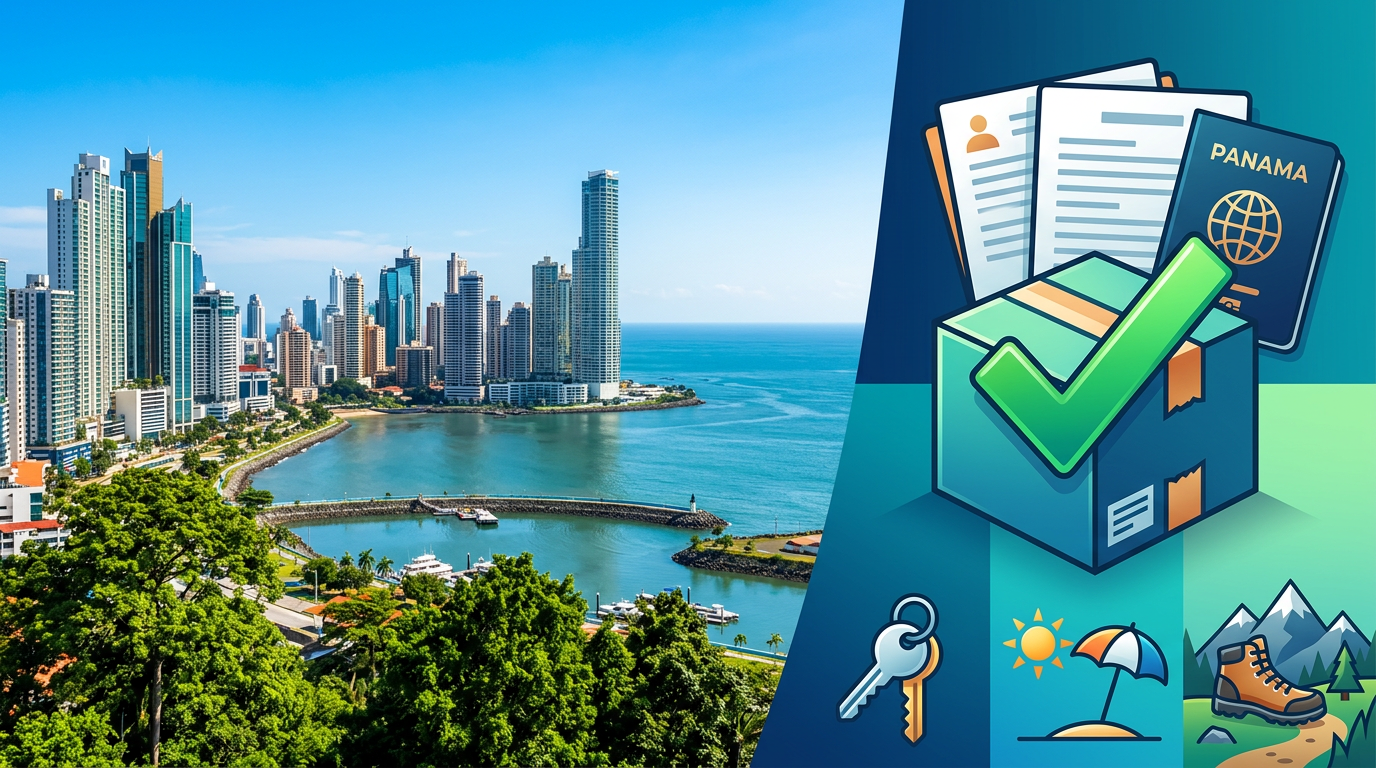
Your Ultimate Panama Relocation Guide for 2026
Panama offers one of the world’s most compelling relocation packages in 2026 — combining political stability, a territorial tax system, diverse climates from mountain highlands to Caribbean beaches, and a cost of living that can stretch your dollar 40-60% further than North America.
I’ve spent the last eight years helping professionals, retirees, and entrepreneurs navigate international relocations. Panama consistently ranks in my top three recommendations, but only when you understand the complete picture.
This panama relocation guide covers everything you need for a strategic move in 2026: updated visa pathways, real-world budgets for different lifestyles, the best expat communities, healthcare realities, and a step-by-step relocation checklist. More importantly, I’ll show you the common pitfalls that derail 30% of relocations and exactly how to avoid them.
Why Choose Panama for Your Relocation in 2026?
Panama’s economy grew 7.3% in 2025, outpacing regional neighbors while maintaining the US dollar as its currency — eliminating exchange rate risk for American expats. The country’s strategic position connecting North and South America creates unique business opportunities that simply don’t exist elsewhere.
Here’s what makes Panama exceptional for relocations in 2026:
- Geographic diversity: Beach house in Coronado, mountain retreat in Boquete, or urban penthouse in Panama City — all within 3 hours of each other
- Territorial tax system: Only Panama-sourced income is taxed locally, making it attractive for remote workers and retirees
- Established expat infrastructure: English-speaking medical facilities, international schools, and thriving expat communities
- Year-round tropical climate with highland areas offering cooler temperatures (70-80°F in Boquete vs 85-95°F in Panama City)
The country’s political stability — democratic since 1989 — combined with modern infrastructure projects like the expanded Panama Canal and new metro lines, positions it as Central America’s most developed economy. For comparison, our analysis shows Panama offers better investment opportunities than Costa Rica for most expat profiles.
Navigating Panama’s Visa & Residency Options in 2026
Moving to Panama as a US citizen is straightforward — most Americans qualify for at least two visa categories, and the process typically takes 4-8 months with proper documentation. Panama actively welcomes foreign residents through multiple pathways designed for different life stages and financial situations.
The key to success lies in choosing the right visa category upfront. I’ve seen applicants waste 6+ months pursuing the wrong option when a better pathway existed.
The Friendly Nations Visa: A Popular Pathway (Updated for 2026)
Citizens from 50+ countries (including the US, Canada, and most EU nations) can obtain temporary residency by demonstrating economic ties to Panama. Requirements include a $5,000 bank deposit or property purchase, plus proof of professional relationship with a Panamanian company. This visa leads to permanent residency after five years and offers the fastest processing times — typically 3-4 months.
Pensionado Visa: Retirement in Panama Made Easy
The pensionado program requires just $1,000 monthly pension income from government or private sources. Benefits include discounts on utilities, medical services, and transportation throughout Panama. Processing takes 4-6 months, and you can apply for permanent residency immediately. This remains the most popular choice for retirees in 2026.
Investor Visas: Capitalizing on Panama’s Growth in 2026
Panama’s new Investor Passport program (Law 493 of 2025) offers expedited residency for investments starting at $300,000 in approved sectors. Real estate, forestry, and technology investments qualify, with permanent residency available after two years. The program specifically targets entrepreneurs and high-net-worth individuals seeking Panama Free Trade Zone opportunities.
Other Pathways: Digital Nomad, Work Visas, and Special Programs
Panama launched its Short Stay Visa for Remote Workers in 2024, allowing 9-month stays for digital nomads earning $36,000+ annually. Work visas require job offers from Panamanian companies, while marriage to a Panamanian citizen provides immediate residency rights. Each pathway has specific requirements and processing timelines that vary significantly.
Cost of Living in Panama 2026: What to Expect & Budgeting
A comfortable lifestyle in Panama costs $2,000-$3,500 monthly for most expats, while budget-conscious retirees can live well on $1,500-$2,000. Your location choice dramatically impacts expenses — Panama City runs 40% higher than rural areas, but offers urban amenities and business opportunities.
Based on 2026 data from 200+ expat households, here’s what you can realistically expect to spend:
Housing: Renting vs. Buying in 2026
Rental market: Modern 2-bedroom apartments range from $800-$1,200 in Boquete, $1,200-$2,000 in Panama City’s better neighborhoods, and $600-$1,000 in coastal areas like Coronado. Buying property offers better long-term value, with condos starting around $120,000 and houses from $180,000 in expat-friendly areas.
Daily Expenses: Groceries, Utilities, and Transportation
Monthly utilities average $150-$250 (including high-speed internet), while groceries cost $400-$600 for two people mixing local markets with imported goods. Transportation is remarkably affordable — city buses cost $0.25, taxis average $3-$8 per trip, and car ownership runs $300-$500 monthly including insurance and fuel.
Healthcare Costs & Insurance Options for Expats
Private health insurance ranges $100-$300 monthly depending on coverage and age. Doctor visits cost $25-$50, while major procedures run 60-70% less than US prices. Many expats use Panama’s Social Security system ($300+ monthly) for basic coverage plus private insurance for comprehensive care.
Lifestyle Budgeting: Can You Live on $1,500 or $3,000 a Month in Panama?
$1,500 monthly works for minimalist retirees in rural areas, covering basic housing, food, utilities, and local transportation. You’ll need discipline and willingness to live like locals. $3,000 monthly provides a comfortable middle-class lifestyle anywhere in Panama, including dining out, travel, and modern amenities. Most successful expat relocations fall in the $2,200-$2,800 range, balancing comfort with affordability.
Finding Your Perfect Home: Best Places to Live in Panama 2026
Location choice determines your entire Panama experience — from social connections and healthcare access to business opportunities and cost of living. Each region attracts different expat demographics, and what works for a retiree seeking tranquility may frustrate an entrepreneur needing urban infrastructure.
After visiting all major expat destinations, here are the four regions that consistently deliver the best relocation outcomes:
Panama City: The Urban Hub & Business Opportunities
Panama City offers the country’s best business infrastructure, international schools, and medical facilities. The Casco Viejo and Punta Pacifica neighborhoods house most professional expats, while families often choose Costa del Este for its suburban feel. Expect urban challenges like traffic and higher costs, but gain access to international flights, cultural events, and networking opportunities essential for entrepreneurs.
Boquete & The Highlands: Nature, Cooler Climates, and Community
Boquete remains the gold standard for expat retirement communities with year-round temperatures of 70-80°F, established social groups, and excellent healthcare facilities. The area attracts primarily American and Canadian retirees seeking active lifestyles amid coffee plantations and hiking trails. Housing costs less than Panama City, but you’ll sacrifice urban conveniences.
Coastal Areas: Coronado, Bocas del Toro, and Beyond
Coronado leads Panama’s beach communities with golf courses, modern infrastructure, and weekend proximity to Panama City (90 minutes). Bocas del Toro appeals to younger expats and digital nomads with its Caribbean vibe and lower costs. Both offer beach lifestyles but limited business opportunities and healthcare compared to urban areas.
Emerging Regions & Investment Hotspots
Pedasí and Las Tablas represent Panama’s next wave of expat destinations, offering authentic Panamanian culture with growing foreign communities. Property values remain 30-40% below established expat areas, making them attractive for early investors. However, infrastructure and services lag behind mature destinations, requiring more adventurous expats willing to pioneer new communities.
Healthcare in Panama: A 2026 Overview for Expats
Panama’s healthcare system ranks among Latin America’s best, with private hospitals in Panama City and major expat areas meeting international standards. Many doctors trained in the US or Europe, and English-speaking staff are common in private facilities serving expat communities.
The country operates a dual healthcare system: public care through the Social Security system (CSS) and private facilities. Most expats use private insurance costing $100-$300 monthly, providing access to modern hospitals like Hospital Punta Pacifica (Johns Hopkins affiliated) and Hospital Nacional.
Key healthcare advantages for expats include:
- Cost savings of 60-70% compared to US medical procedures
- Prescription medications available without prescriptions for most common drugs
- Dental and cosmetic procedures at fraction of North American prices
- Medical tourism infrastructure supporting complex procedures
Rural areas have limited specialist care, making location choice crucial for expats with chronic conditions. Boquete and Coronado offer the best healthcare access outside Panama City, while remote coastal areas may require travel for serious medical needs.
Banking & Financial Planning for Your Panama Relocation in 2026
Panama uses the US dollar as its currency, eliminating exchange rate risks for American expats and simplifying financial planning. The banking system follows international standards, though account opening requires more documentation than many expats expect.
Opening a Panamanian bank account typically requires:
- Passport and residency documents (or tourist visa with additional requirements)
- Bank reference letters from your home country
- Proof of income and source of funds
- Initial deposits ranging from $1,000-$5,000 depending on the bank
Panama’s territorial tax system only taxes income earned within Panama, making it attractive for remote workers, retirees, and international business owners. However, US citizens must still file annual tax returns and report foreign bank accounts to the IRS.
Smart financial planning for Panama relocations includes maintaining some home country banking relationships, understanding FATCA reporting requirements, and potentially restructuring investments to optimize tax efficiency. Our Panama Tax Savings Calculator helps estimate potential savings based on your income sources.
Wire transfers to Panama typically cost $25-$50, while ATM networks provide easy cash access. Many expats use international banks like HSBC or Citibank for seamless account management between countries.
Business & Investment Opportunities in Panama 2026
Panama’s strategic location and pro-business policies create unique opportunities for entrepreneurs and investors willing to leverage the country’s position as the “Hub of the Americas.” The expanded Panama Canal, growing logistics sector, and new free trade agreements drive economic growth exceeding regional averages.
Top investment sectors for 2026 include:
- Logistics and warehousing: Supporting increased canal traffic and regional distribution
- Tourism infrastructure: Hotels, restaurants, and experience-based businesses in growing expat areas
- Technology and fintech: Panama’s banking laws and digital infrastructure attract regional tech companies
- Agriculture and forestry: Sustainable farming and reforestation projects with government incentives
Panama’s Free Trade Zones offer significant tax advantages for businesses engaged in international commerce. Companies operating within these zones enjoy exemptions from income tax, import duties, and other local taxes. Our comprehensive guide to Panama Free Trade Zones details setup requirements and benefits.
The legal framework supports foreign business ownership with minimal restrictions. Panamanian corporations can be 100% foreign-owned and offer privacy protections attractive to international investors. However, success requires understanding local regulations, building relationships with reliable legal and accounting professionals, and often partnering with experienced local operators.
Real estate investment remains popular, with rental yields of 6-10% possible in well-chosen properties. The new Investor Passport program provides residency pathways for qualifying real estate investments, combining immigration and investment goals.
Essential Steps for a Smooth Relocation to Panama (2026 Checklist)
Successful Panama relocations follow a systematic approach — rushing the process or skipping steps creates delays, additional costs, and unnecessary stress. Based on 200+ relocations I’ve guided, here’s the proven timeline and checklist for 2026.
6-12 months before moving:
- Research visa options and begin document gathering (apostilled birth certificates, background checks, financial statements)
- Visit Panama for 2-3 weeks to explore different regions and housing options
- Establish relationships with local attorneys, real estate agents, and relocation specialists
- Begin learning Spanish — even basic conversational skills dramatically improve your experience
3-6 months before moving:
- Submit visa applications with complete documentation
- Secure temporary housing for your first 1-2 months in Panama
- Arrange international shipping for household goods (6-8 weeks transit time)
- Research pet relocation requirements if applicable
Pet relocation to Panama requires health certificates, current vaccinations, and import permits processed through SENASA. The process takes 30-45 days and costs $500-$1,500 depending on pet size and airline requirements.
Upon arrival: Open bank accounts, establish utilities, register with local authorities, and connect with expat communities for ongoing support. Many successful relocations benefit from professional relocation services that handle bureaucratic processes while you focus on settling in.
Understanding the Culture & Daily Life in Panama
Panama blends Latin American warmth with cosmopolitan sophistication, especially in expat-heavy areas where locals are accustomed to foreign residents. However, successful integration requires understanding cultural nuances that many relocations overlook.
Spanish proficiency significantly impacts your Panama experience. While English is common in expat areas and upscale businesses, government offices, healthcare outside major cities, and daily interactions require Spanish. Even basic conversational skills open doors to authentic relationships and better service.
Key cultural considerations include:
- “Panama time” — social and business events often start 15-30 minutes late
- Relationship-focused business culture — personal connections matter more than pure efficiency
- Family-centered social structure — Sundays are family time, and extended families remain closely connected
- Respect for hierarchy and age — formal greetings and titles show proper respect
Safety in Panama requires common sense precautions similar to any major city worldwide. Avoid displaying expensive jewelry or electronics, don’t walk alone at night in unfamiliar areas, and use registered taxis or ride-sharing services. Expat areas like Boquete, Coronado, and upscale Panama City neighborhoods have low crime rates, while certain urban areas require more vigilance.
Expat communities provide crucial support networks. Organizations like the American Society of Panama, Boquete Expat Network, and various Facebook groups offer practical advice, social connections, and cultural orientation for newcomers.
Common Challenges & How to Overcome Them in Panama
Every Panama relocation faces predictable challenges — bureaucratic delays, infrastructure differences, and cultural adjustments that can frustrate unprepared expats. Understanding these issues upfront and having mitigation strategies prevents the disappointment that derails 30% of relocations.
Bureaucracy and “Panama time” frustrate efficiency-focused expats. Government offices move slowly, appointments get rescheduled, and simple processes take longer than expected. Solution: Build extra time into all official processes, hire local professionals for complex procedures, and maintain patience while systems work at their own pace.
Infrastructure varies dramatically by location. Rural areas may experience power outages, slower internet, and limited services that urban expats take for granted. Research infrastructure thoroughly before choosing your location — what works for vacation visits may not support daily life or business operations.
Language barriers create ongoing challenges beyond basic communication. Legal documents, medical consultations, and government interactions require precise understanding that casual Spanish doesn’t provide. Invest in professional translation services for important matters and continue Spanish education throughout your first year.
Cultural adjustment takes 6-18 months for most expats. The honeymoon phase gives way to frustration with differences in service standards, social customs, and business practices. Joining expat communities, maintaining realistic expectations, and focusing on Panama’s advantages help navigate this normal adjustment period.
Beyond the Guide: Next Steps for Your Panama Move
Reading about Panama relocation differs dramatically from experiencing it firsthand. I recommend spending 2-3 weeks exploring different regions, meeting expat communities, and testing daily life scenarios before making final decisions.
Connect with established expat networks through Facebook groups, local organizations, and community events. These connections provide practical advice, social support, and often become lifelong friendships that make your relocation successful.
Professional guidance becomes invaluable for complex relocations involving business investments, significant assets, or family considerations. Our Open Horizon program provides comprehensive relocation consulting, from initial planning through successful integration.
Your Panama relocation success depends on thorough preparation, realistic expectations, and ongoing adaptability. This guide provides the foundation, but your specific situation may require customized strategies and professional support to achieve your relocation goals.
Frequently Asked Questions About Moving to Panama
Most expats have similar concerns about Panama relocations. Here are the most frequently asked questions with direct, practical answers based on real expat experiences.
Q: How much money is needed to move to Panama?
Initial relocation costs range $15,000-$35,000 including visa fees ($2,000-$5,000), temporary housing, shipping household goods, and 3-6 months living expenses while establishing yourself. Ongoing monthly budgets range $1,500-$3,500 depending on lifestyle and location choices. Rural areas cost significantly less than Panama City.
Q: What are the best areas for expats in Panama?
Panama City offers business opportunities and urban amenities. Boquete provides mountain climate and established expat communities. Coronado delivers beach lifestyle with modern infrastructure. Each area attracts different demographics — retirees prefer Boquete, professionals choose Panama City, and beach lovers select coastal areas.
Q: Is Panama safe for expats in 2026?
Generally yes, with common-sense precautions. Expat areas like Boquete, Coronado, and upscale Panama City neighborhoods have low crime rates. Avoid displaying wealth, don’t walk alone at night in unfamiliar areas, and use registered transportation. Our detailed safety analysis covers specific risks and mitigation strategies.
Q: What is the process for bringing pets to Panama?
Pets require health certificates, current vaccinations, and SENASA import permits processed 30-45 days before travel. Costs range $500-$1,500 depending on pet size and airline requirements. Some breeds face restrictions, and quarantine may be required. Professional pet relocation services simplify this complex process.
